
Market development · Network diligence · 7 min read
Questions Before Business Cards
The number of business cards collected at an event was not the number of trading counterparties. A useful network required questions that established roles and authority in production, purchasing, transport and inspection.
Before reading the record
- Region
- Events in Asia and emerging markets
- Work
- Understanding market relationships and roles in bitumen and construction technology
- Experience
- Event participation, booth engagement, follow-up materials and verification of counterparties' roles
- Measure of progress
- Verified responses, documents and authority, rather than business-card counts
- Records
- Anonymized event photographs and historical correspondence
- Limit
- Participation is not presented as a contract, order or official relationship
Supporting records
- Anonymized photographs of participation and booth operation at a bitumen industry event in 2012
- Records of preparations at later construction-technology events and follow-up correspondence
- Historical working notes organized by supply, purchasing, transport and inspection roles
What the records establish
- That PentaBay's management attended overseas industry events firsthand, learned market relationships and managed follow-up correspondence
- That event contacts were checked again through roles, authority and documents, rather than assumed to be trading relationships
What they do not establish
- A current contract or partnership with the attendees, organizers or sponsors shown
- That people met at an event actually held supply or purchasing authority
- That participation led to orders, tender awards or completed transactions
01 / THE MISSING MAP
What was needed first was an industry map, not more contacts.
At the beginning of work in oil and gas, finding a good supplier seemed like half the transaction. In practice, even who produced the goods, arranged shipment, verified quality or made the final purchasing decision was not immediately clear.
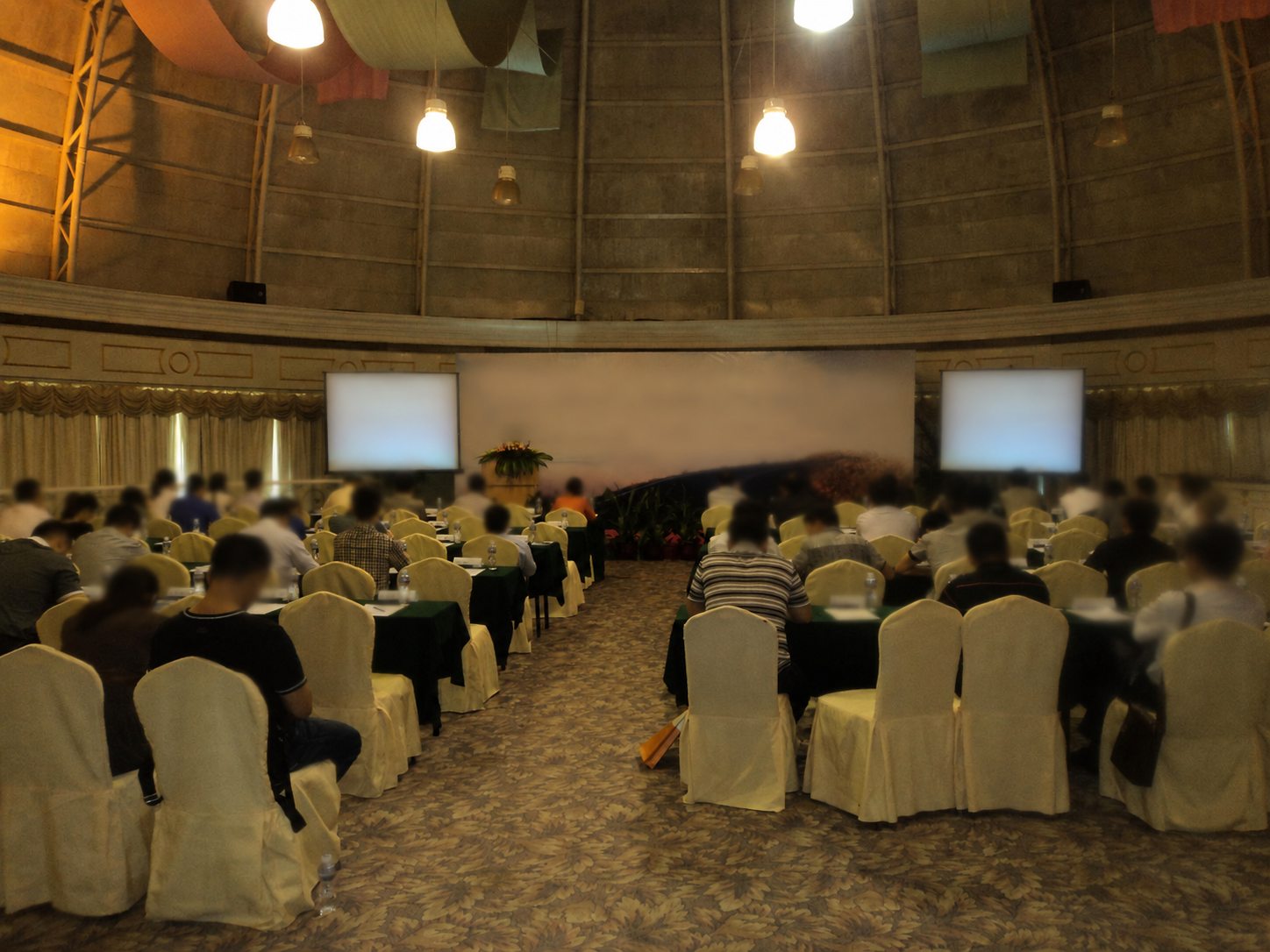
At a bitumen event in Asia in 2012, producers and traders gathered alongside people from transport, storage, inspection and the road sector. Approaching an unfamiliar person during a break and explaining what was being sought was as challenging as following presentations and noting unfamiliar terms.
The event was more a classroom for understanding supply-chain roles than a place to obtain contracts. Relationships invisible in an internet search gradually became clearer through real people and questions.
02 / A CARD IS NOT AUTHORITY
A business card was neither a trading counterparty nor proof of authority.
A circuit of the event filled pockets with cards. Back at work, however, messages often went unanswered, or conversations stopped after a brief claim that something was possible. A printed name and title could begin a relationship, but they could not replace actual volume, price or payment terms.
It was necessary to establish whether a contact was a producer or intermediary, what they could decide, and which regions and products they handled. Being introduced to someone was distinguished from that person holding selling authority.
From then on, the questions to follow mattered more than the number of cards received. Promised materials were sent after the event, and the corporate, product, port, inspection and payment information received in reply was organized against consistent criteria.
03 / BETTER QUESTIONS
More specific questions shifted discussions toward transaction terms.
At another Asian event that year, the first questions concerned grades handled, drum or bulk availability, loading ports and who performed inspection. Rather than stopping at an expression of interest in buying, the aim was to understand product, packaging, ports, transport and payment as one connected process.
Specific questions did not immediately produce contracts. Many contacts stopped responding, and some could not provide evidence of actual authority. But less time was needed to decide which conversations to continue and where to stop.
Role
What is the actual role: producer, seller, intermediary or buyer?
Authority
Which documents establish authority to decide and sign?
Product
Are specifications, packaging, availability timing and loading ports stated clearly?
Process
Is the next responsible party for inspection, transport and payment identified?
04 / AFTER THE EVENT
Relationships were tested after the event, back at work.
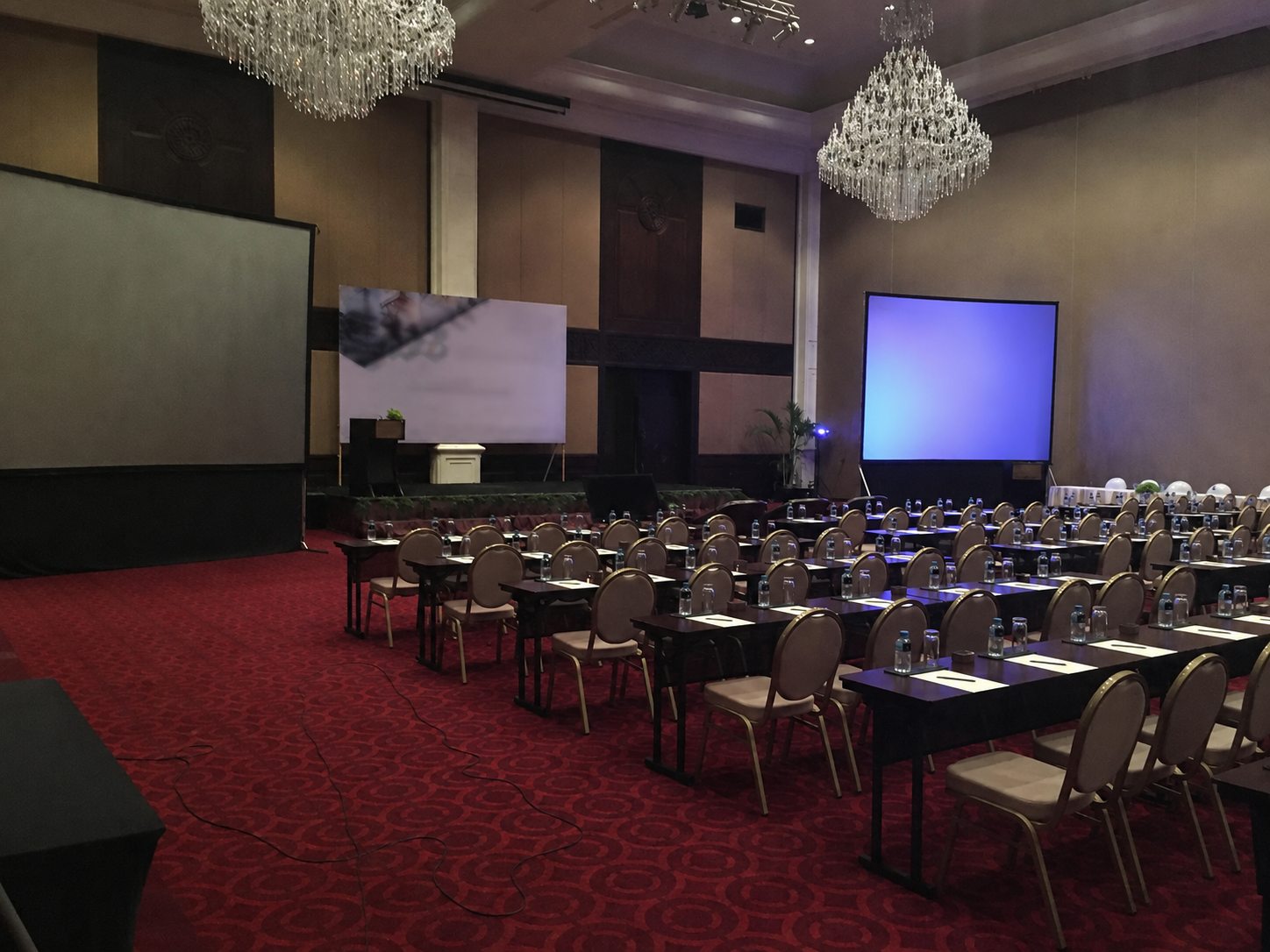
Several years later, at a construction-technology event in another emerging market, the empty chairs before attendees arrived recalled that first visit to an industry event. What had changed was the lack of urgency to collect as many business cards as possible.
The approach was to listen to the other person's work first and identify where help was actually possible. Even without an immediate trade, no unverified promises were made. If no reply came, the relationship was not forced.
Experience meant more than becoming better at talking. It meant knowing whom to listen to, which questions to ask first, and when to state clearly what could not be done.
What the work taught us
Knowing what a person could actually do mattered more than knowing many people.
For PentaBay, a network is not a contact list. It is a set of relationships in which roles and authority have been checked and discussions can resume when needed.